BUILD
In-house Development
Alopex DB v0.8.8 Tutorial, Part 5: Opening the Database with a Server
Open an embedded data directory with alopex-server, run the same SQL over HTTP, and read the server-written row through the file API.
Services
Delivery models and flagship work
Alopex Family
Asopitech Labo
NiminoDesktop
A lightweight WebView desktop foundation in Nim
NimculusEditor
A GPU-native editor in Nim and Metal
PoieraPlatform
A control plane concept for AI agents, carrying compact contracts through authorization, deployment, and verification
TheatoraBackend
A composable backend construction kit concept for swapping providers, runtimes, and topology
RhyzoraFramework
A concept for building CLI, TUI, Web, desktop, and MCP interfaces from declarative contracts
Labo overview
What the R&D lab is working on
Enterprise plans
Open an embedded data directory with alopex-server, run the same SQL over HTTP, and read the server-written row through the file API.

Tables, batches, business rules — splitting them was supposed to make everything easier to handle. So who ends up paying for all the seams that appear?
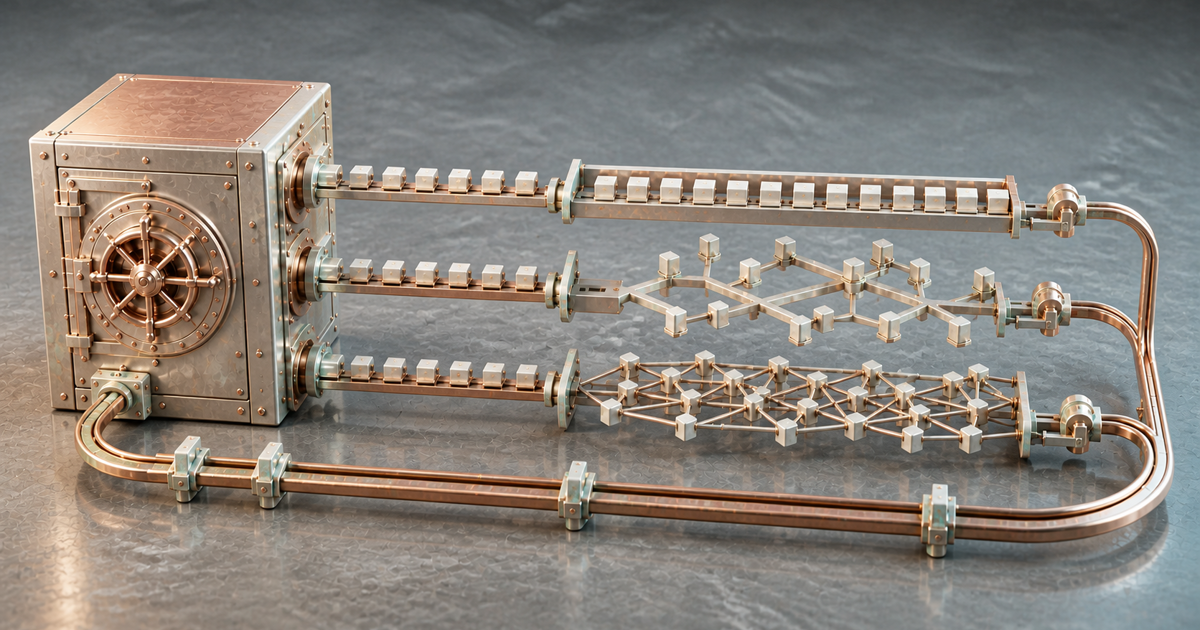
Are you comparing hashes, trees, and graphs in the abstract? Choose representations for the query, then design for loss and reconstruction.
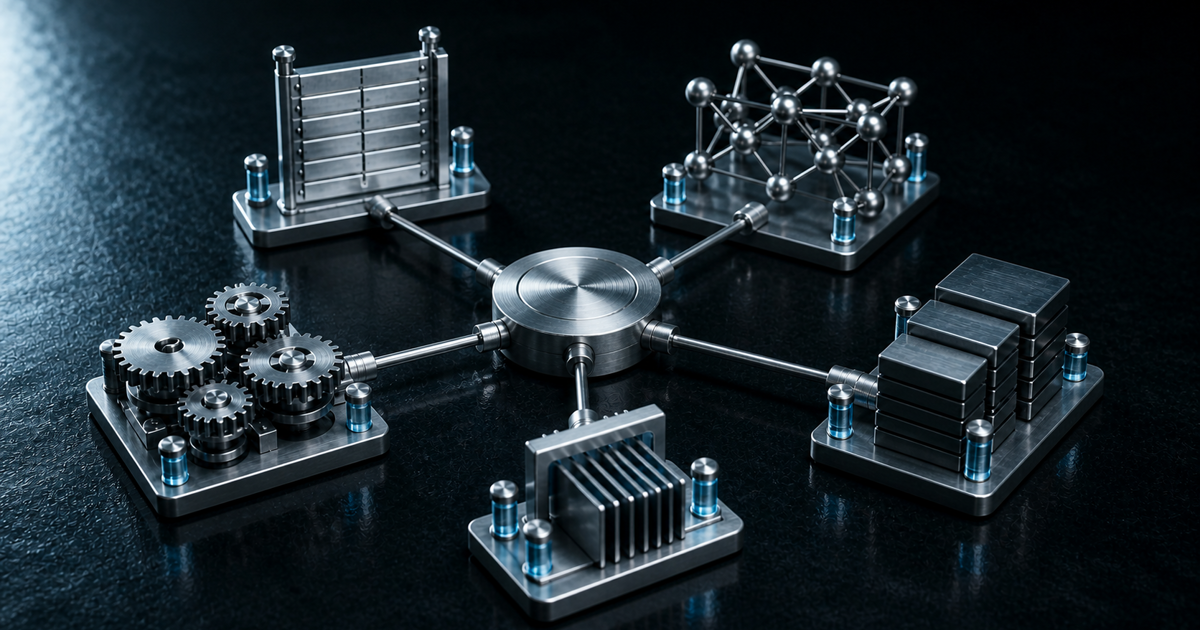
How do schemas, graphs, tasks, and packets connect? This article traces structure from meaning through execution, communication, and storage.
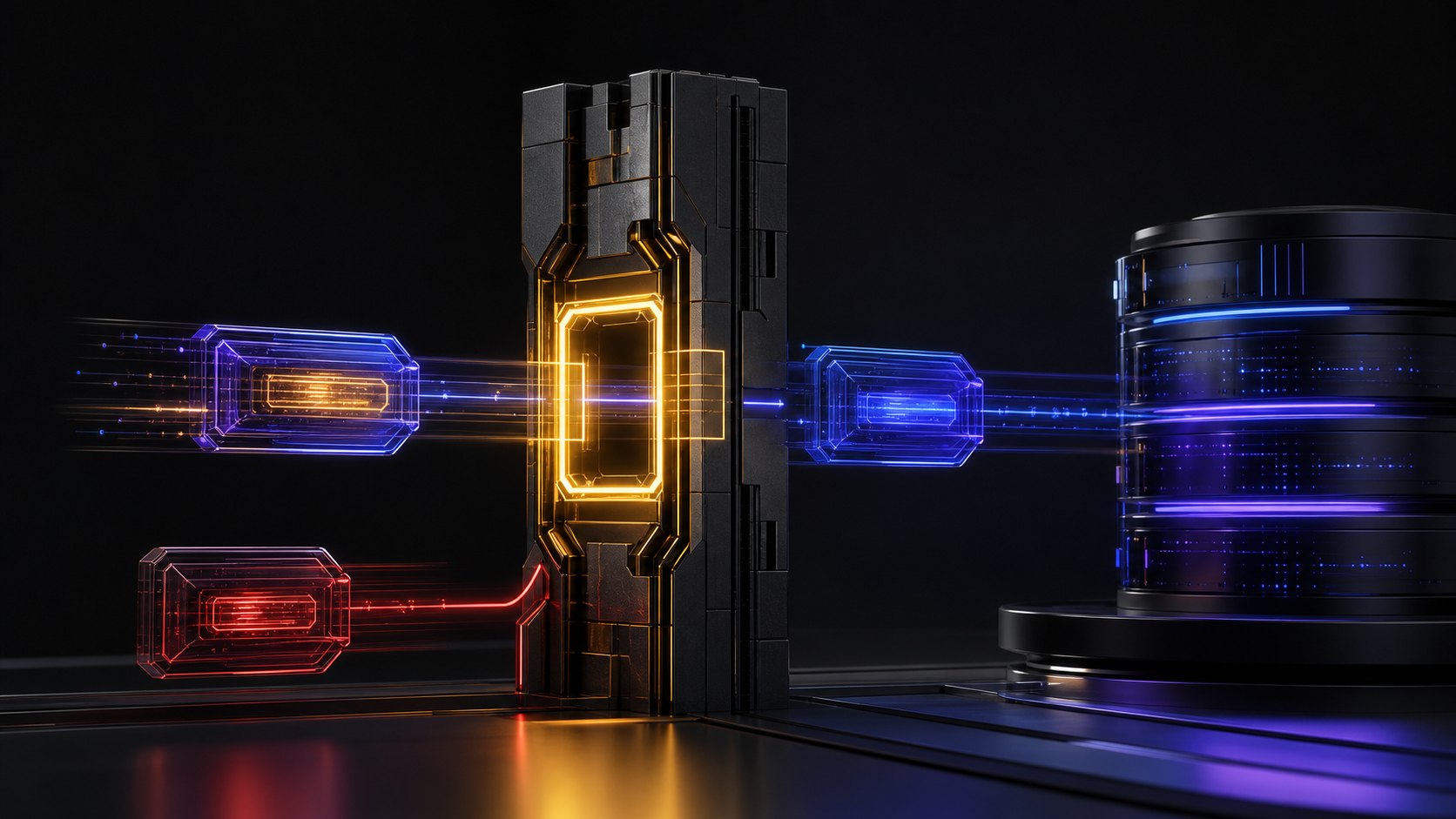
MCP v2026-07-28 uses Bearer access tokens to establish the requester at the router and to decide whether that requester may operate on business data.
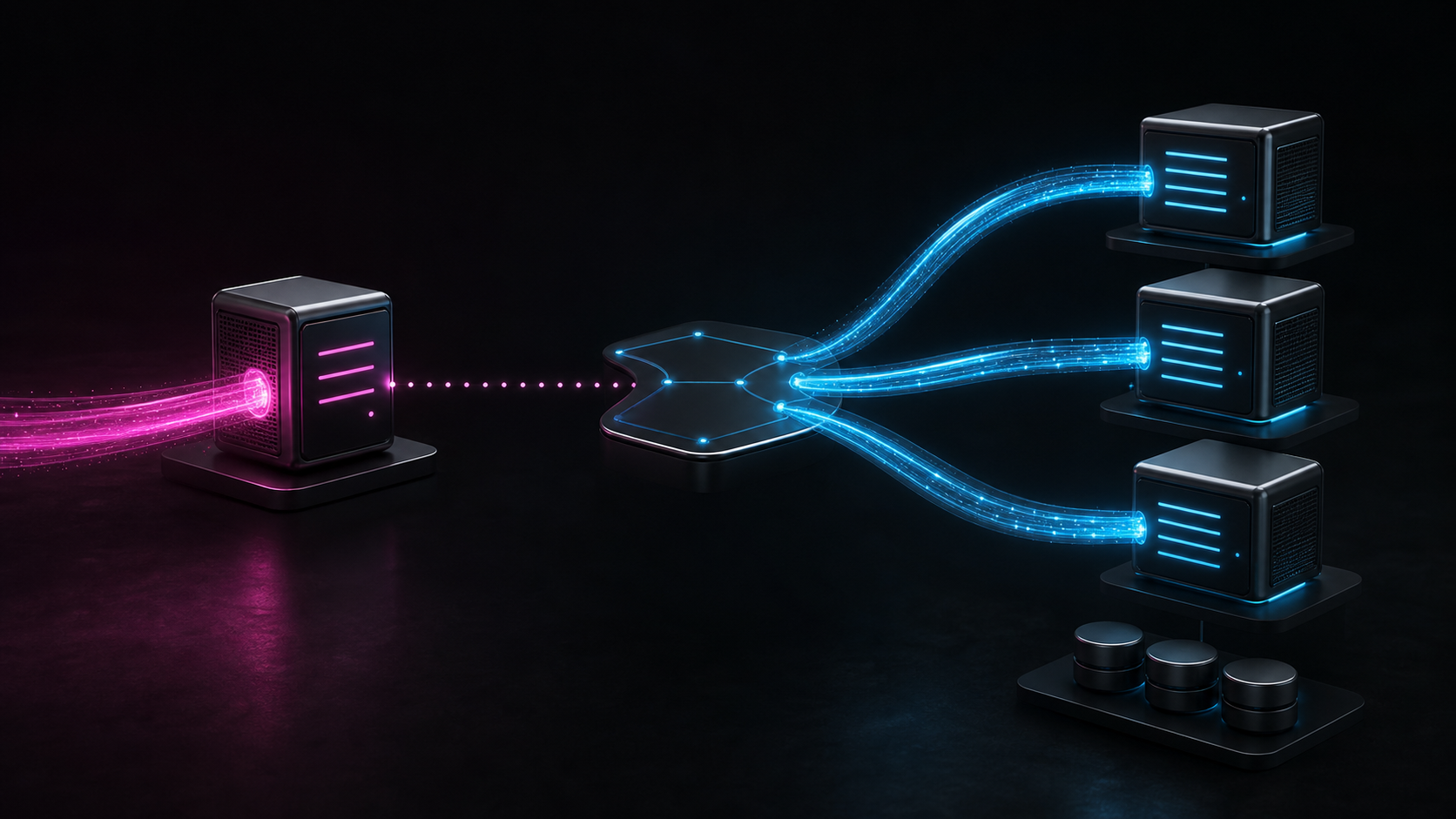
MCP v2026-07-28 separates protocol state from application state that once shared a connection, allowing any instance to process a request. A visual guide to the fields and flow.
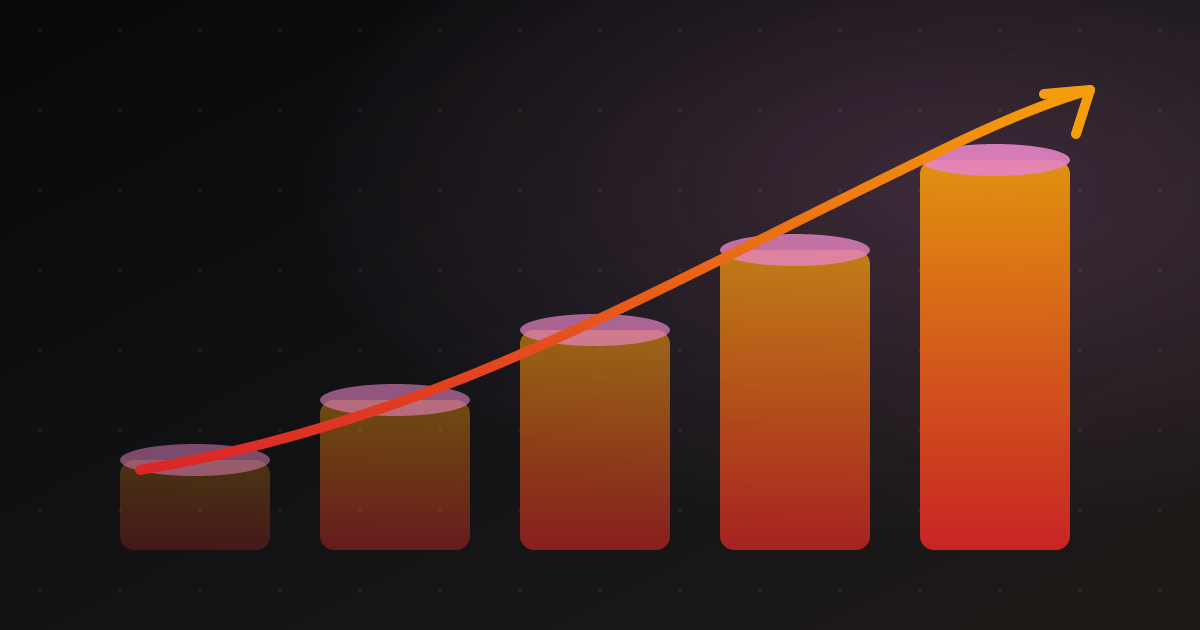
An analysis of how database requirements change across the MVP, PMF, growth, and scale stages, comparing the trade-offs of SQLite, Postgres, managed databases, and dedicated vector stores — and where Alopex DB's 'erase the migration cliff' approach fits.

Building a distributed system means building node discovery, liveness detection, messaging, and agreement before getting to the actual work. Alopex Chirps takes on exactly those four. This covers what it handles and what it does not, why QUIC was chosen, and how openraft came to be the consensus layer.

In a network where neither the identity nor the number of participants is known, one node one vote does not hold. Probabilistic finality in PoW, the structure by which PoS relies on economic penalties rather than impossibility, Solana and Avalanche, and the option of avoiding agreement — with the criteria for choosing among them. Part 4 of a 4-part series.
The world in which nodes send signed, contradictory information. The meaning of the constant n=3f+1, PBFT's three-phase voting, Tendermint's locking rules, HotStuff's quorum certificates, and what the DAG-BFT designs since Narwhal separated and what they removed. Part 3 of a 4-part series.

The family of algorithms for the crash failure model, where nodes stop but do not lie. From the single tool Paxos relies on — quorum intersection — through Raft's decomposition, EPaxos, Multi-Raft, and the parts outside the papers: persistence ordering and linearizable reads, with minimal code. Part 2 of a 4-part series.

A node that stops responding may have crashed, or it may merely be slow; the two cannot be told apart. This part separates leader election, ordering, and commitment into three distinct problems, and covers the practical meaning of FLP impossibility, split brain and fencing tokens, and the boundary between the replicated log and the applied state. Part 1 of a 4-part series.
Open an embedded data directory with alopex-server, run the same SQL over HTTP, and read the server-written row through the file API.
Tables, batches, business rules — splitting them was supposed to make everything easier to handle. So who ends up paying for all the seams that appear?
Are you comparing hashes, trees, and graphs in the abstract? Choose representations for the query, then design for loss and reconstruction.
How do schemas, graphs, tasks, and packets connect? This article traces structure from meaning through execution, communication, and storage.
MCP v2026-07-28 uses Bearer access tokens to establish the requester at the router and to decide whether that requester may operate on business data.
MCP v2026-07-28 separates protocol state from application state that once shared a connection, allowing any instance to process a request. A visual guide to the fields and flow.
An analysis of how database requirements change across the MVP, PMF, growth, and scale stages, comparing the trade-offs of SQLite, Postgres, managed databases, and dedicated vector stores — and where Alopex DB's 'erase the migration cliff' approach fits.
Building a distributed system means building node discovery, liveness detection, messaging, and agreement before getting to the actual work. Alopex Chirps takes on exactly those four. This covers what it handles and what it does not, why QUIC was chosen, and how openraft came to be the consensus layer.
In a network where neither the identity nor the number of participants is known, one node one vote does not hold. Probabilistic finality in PoW, the structure by which PoS relies on economic penalties rather than impossibility, Solana and Avalanche, and the option of avoiding agreement — with the criteria for choosing among them. Part 4 of a 4-part series.
The world in which nodes send signed, contradictory information. The meaning of the constant n=3f+1, PBFT's three-phase voting, Tendermint's locking rules, HotStuff's quorum certificates, and what the DAG-BFT designs since Narwhal separated and what they removed. Part 3 of a 4-part series.
The family of algorithms for the crash failure model, where nodes stop but do not lie. From the single tool Paxos relies on — quorum intersection — through Raft's decomposition, EPaxos, Multi-Raft, and the parts outside the papers: persistence ordering and linearizable reads, with minimal code. Part 2 of a 4-part series.
A node that stops responding may have crashed, or it may merely be slow; the two cannot be told apart. This part separates leader election, ordering, and commitment into three distinct problems, and covers the practical meaning of FLP impossibility, split brain and fencing tokens, and the boundary between the replicated log and the applied state. Part 1 of a 4-part series.